Software development is undergoing a major shift. Engineers are no longer just writing code line by line. With the rise of AI tools, automation platforms, and intelligent systems, the role of developers is evolving into something broader and more strategic. Modern engineers are becoming AI orchestrators, professionals who design, guide, and manage systems powered by AI rather than manually building every component. This shift is redefining how software development services are delivered and how products are built at scale.
Traditional Developer Role
Traditionally, developers were responsible for writing, testing, and maintaining code. Every feature required manual effort, from logic building to debugging. In classic software development services, engineers focused heavily on implementation. The process was linear, time-consuming, and required deep hands-on coding for every task. While effective, this model struggles to keep up with today’s speed and complexity demands.
Rise of AI in Development
AI tools are now integrated into almost every stage of development. From code generation to testing and deployment, automation is reducing manual workload significantly. Modern AI development services and coding assistants help engineers write cleaner code faster, detect bugs early, and optimize performance. Instead of replacing developers, AI is enhancing their capabilities and changing how they approach problem-solving.
What AI Orchestrators Do
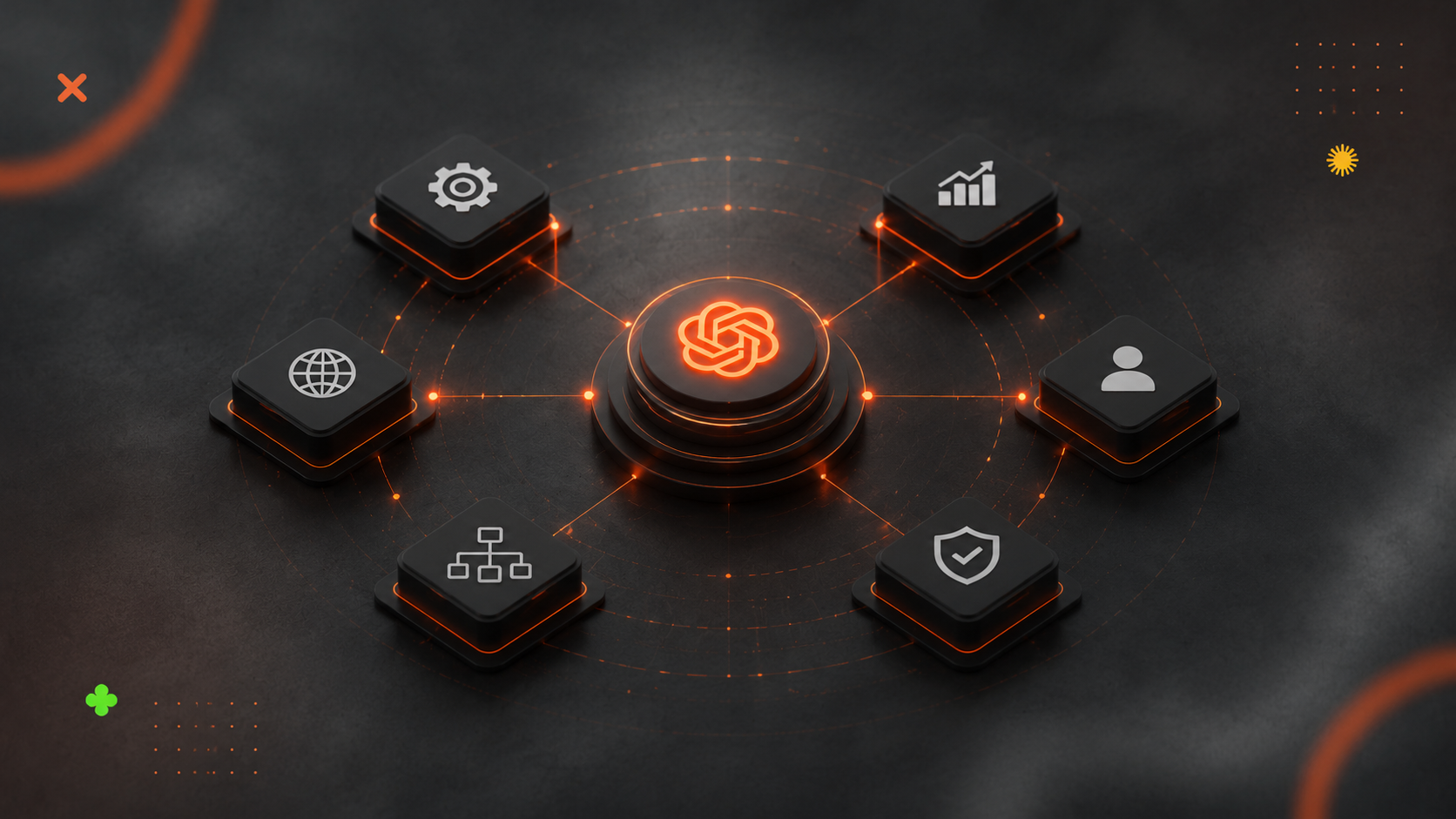
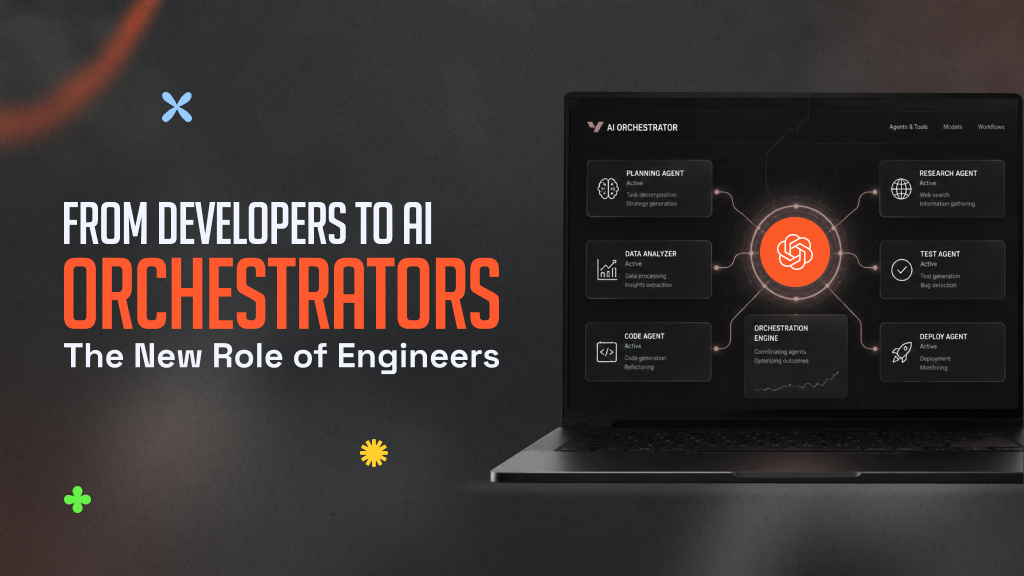
An AI orchestrator does not just build software, they design systems where AI tools work together to produce outcomes. Instead of writing every function manually, engineers now guide AI models, define workflows, and ensure outputs align with business goals. In advanced custom software development services, this role focuses more on architecture, integration, and decision-making than raw coding.
Shift from Coding
The biggest change is the shift from writing code to designing systems. Engineers now think in terms of workflows, data flow, and AI integration rather than just syntax. Professional software development services increasingly rely on engineers who can structure intelligent systems using APIs, machine learning models, and automation tools. This system-level thinking is becoming more valuable than traditional coding speed.
Faster Development Cycles
AI has dramatically reduced development time. Tasks that once took days can now be completed in hours. With AI development services, prototyping, testing, and debugging are significantly faster. Engineers focus on refining outputs rather than building everything from scratch. This allows businesses to launch products faster and iterate more efficiently.
Increased Focus on Problem Solving
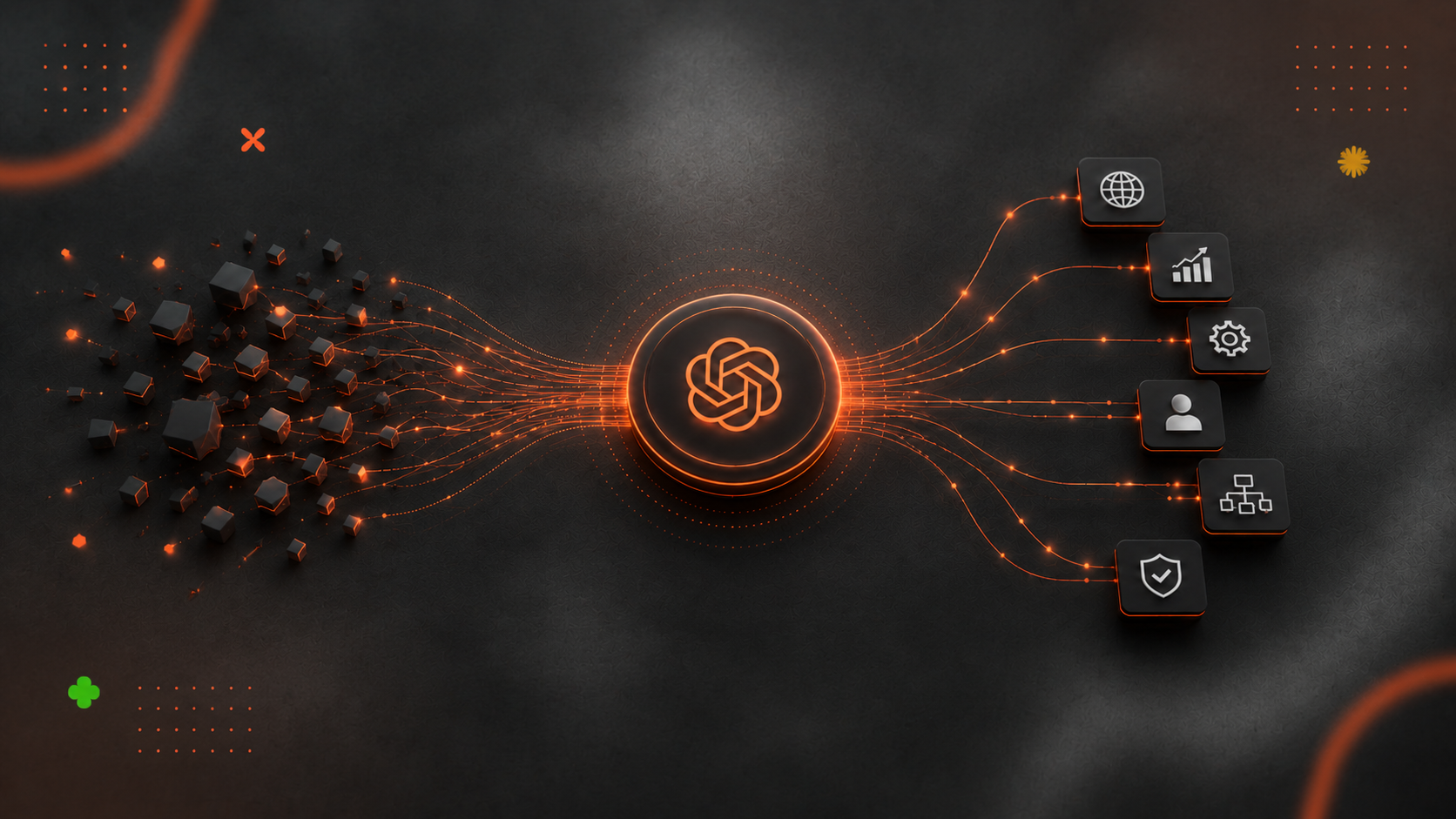
As AI handles repetitive tasks, engineers are shifting toward higher-level problem solving. The focus is now on understanding business needs and designing the right technical solutions. In modern custom software development services, engineers act more like consultants and architects. They translate business problems into technical systems that AI and automation tools can execute effectively.
Impact on Businesses
For businesses, this shift means faster delivery, lower costs, and more scalable solutions. Projects can now evolve continuously instead of being built in rigid phases. Companies investing in advanced software development services gain a competitive advantage by adopting AI-driven workflows. This leads to smarter products and more efficient development cycles.
Conclusion
The role of engineers is no longer limited to writing code. It has evolved into designing, managing, and optimizing intelligent systems powered by AI. As AI development services and custom software development services continue to evolve, engineers will increasingly act as orchestrators rather than traditional coders. In this new era, success depends on how well humans and AI work together to build smarter, faster, and more scalable solutions.
Published: May 20, 2026