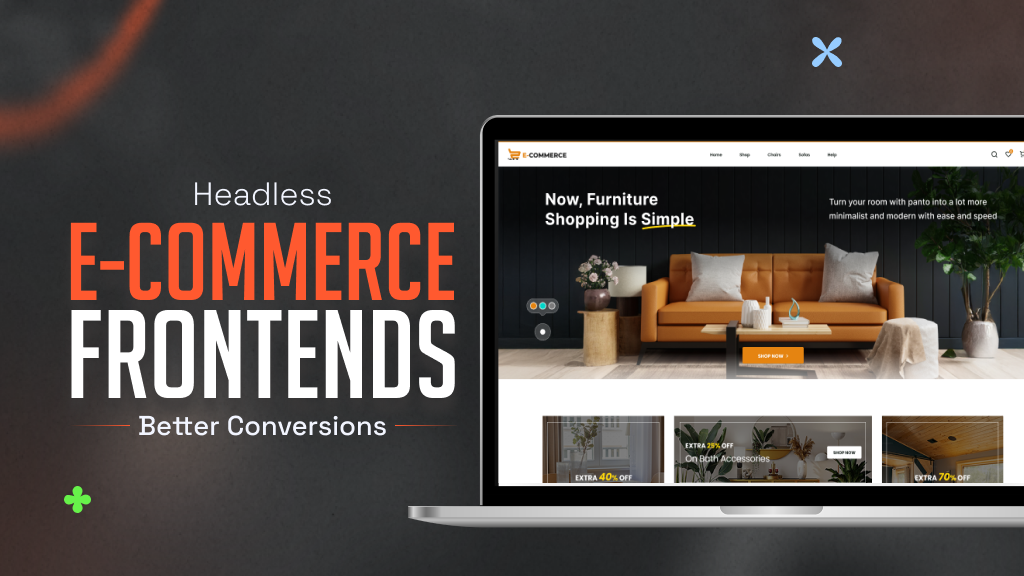
E-commerce has come a long way from the days of physical stores. Customers today want to be able to purchase quickly, easily, and in a way that is tailored to them on all of their devices. But many traditional e-commerce sites can’t meet these needs because their frameworks are too rigid and they don’t have enough flexibility.
This is where headless architecture is making a big difference. More and more businesses who hire ecommerce development services are using headless frontends to boost performance, flexibility, and most crucially, conversions.
What Is Headless?
Headless e-commerce separates the frontend, which is what people see, from the backend, which is where data and logic live. Both layers talk to each other through APIs instead of being intimately linked. This is how professional custom web development services make digital experiences that are very versatile. Companies can make fast, modern interfaces while keeping their underlying systems strong.
Sales Are Driven by Speed
There is a clear correlation between website speed and conversions. Users may leave their carts if there is even a tiny wait. With headless frontends, developers can improve speed without having to worry about the backend. Web development services may make pages load faster and interactions smoother by using modern frameworks and lightweight designs. Websites that load faster keep people interested and make it more likely that they will buy anything.
A better experience for users
User experience is very important for the success of e-commerce. A slow or unclear interface makes people less likely to buy. With headless architecture, you can fully customise the paths that users take. Businesses can use UI UX design services to make navigation easy, layouts that fit their audience, and checkout experiences that go smoothly. Better UX means more people will use your site and more people will buy from you.
Personalisation on large scale
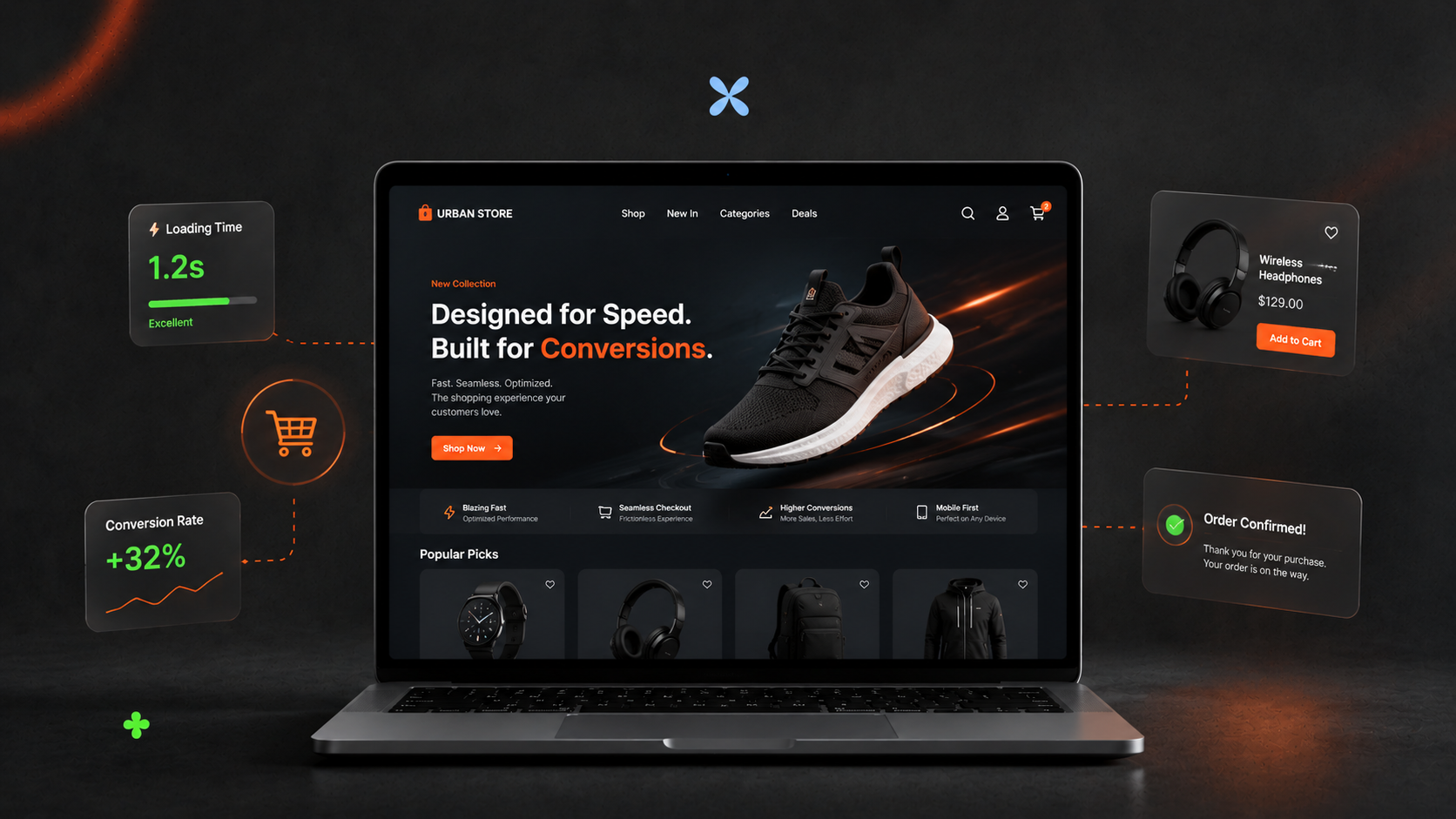
People today want purchasing experiences that are tailored to them. It’s not enough to just show off generic products nowadays. Businesses can use headless systems to add extensive personalisation features and send customised content in real time. Ecommerce development services may provide dynamic recommendations, location-based offers, and personalised experiences for each customer, all of which can help boost conversion rates.
Flexibility across channels
Customers talk to brands on a lot of different platforms, such websites, mobile apps, social media, and even smart devices. Headless architecture makes it easier to give all channels the same experiences. With professional custom web development services, organisations can reuse backend logic and change the frontend experience for each platform. This adaptability makes sure that the brand experience is the same everywhere.
Integration Options
Payment gateways, CRM systems, inventory management, and analytics platforms are just some of the technologies that e-commerce platforms use.
APIs make it easier to connect headless architecture. Custom web development services make sure that systems can talk to each other without any problems, making a single, efficient digital ecosystem. Better integration makes things run more smoothly and makes the user experience better overall.
Benefits of SEO
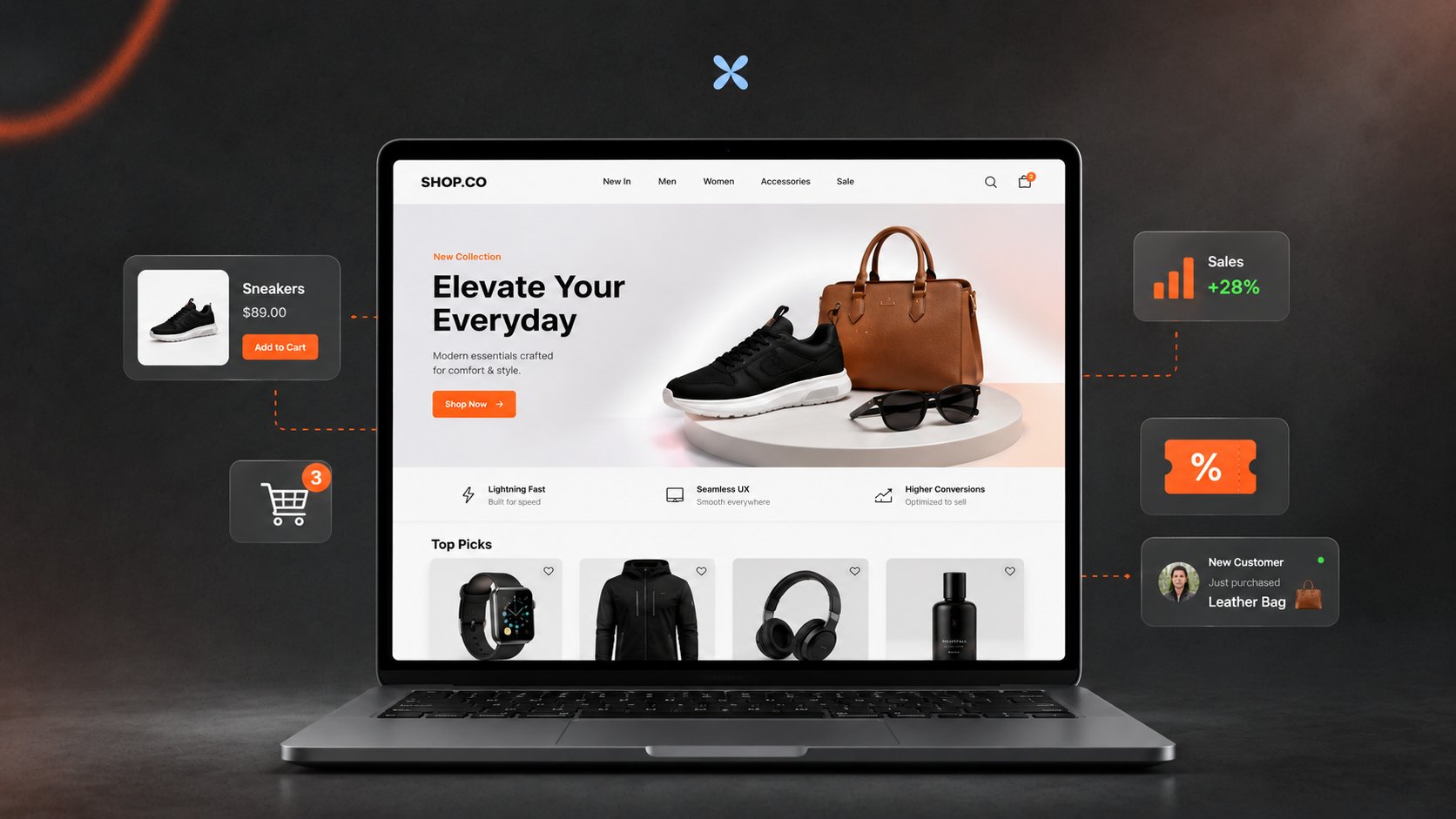
When done right, headless frontends can make SEO work better. Higher rankings come from faster load times, better content delivery, and more user involvement.
Professional SEO services make sure that headless websites are set up correctly, indexed, and optimised for search engines. This helps businesses get more organic visitors while still performing well.
Effect on Conversion
The end goal of any e-commerce site is to get people to buy something. This is possible with headless architecture, which combines speed, flexibility, and personalisation.
Companies that use ecommerce development services and current frontend frameworks generally find more people interacting with their sites, fewer people leaving them, and more people making purchases. Better business results derive directly from a better user experience.
Conclusion
Headless e-commerce isn’t only a technical improvement; it’s also a strategic step toward improved performance and more conversions. Businesses may be more flexible when they separate their frontend and backend systems, which lets them innovate, optimise, and grow.
Working with professionals in ecommerce development, custom web development, and web development services will make the switch to headless architecture go smoothly. In a digital market where there is a lot of competition, giving visitors quick and personalised experiences is the best way to turn them into customers.
Published: May 13, 2026